
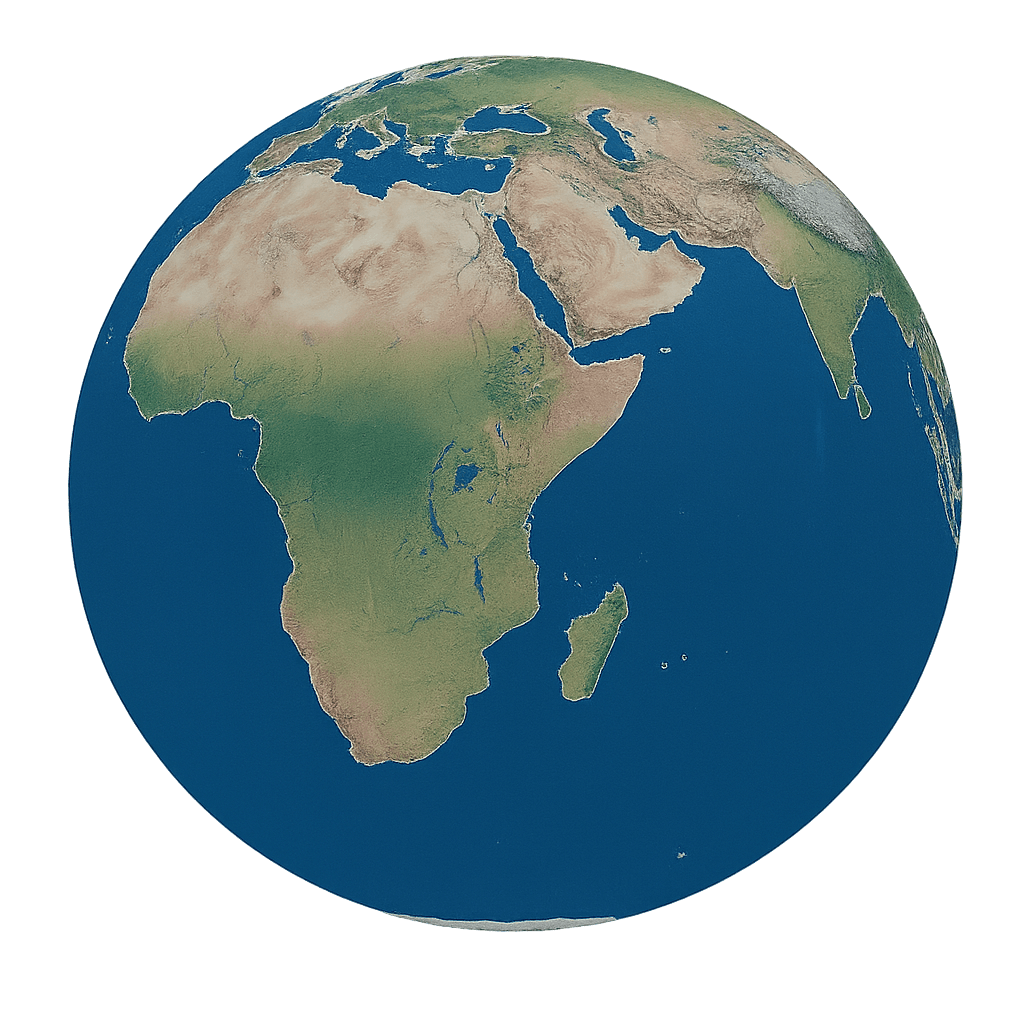
Childhood asthma and lung disease push: A new regional push led by GAAPP highlights how asthma and COPD remain major killers in Africa, with barriers like stigma, pollution, and gaps in diagnosis and medicine access. Diarrhea vaccine breakthrough: A “rigorous” trial of the WRSs2 shigella vaccine reported about 89% effectiveness in preventing shigellosis, a key cause of deadly diarrheal illness. Mental health policy gap: A psychiatry professor urges Nigeria to fully implement its National Mental Health Act, warning that the treatment gap is widening due to stalled setup and weak community services. Malaria map changing with climate: Studies in Nature say climate change is “moving” malaria—slightly reducing risk in today’s hottest hotspots while increasing risk in southern and East Africa, potentially raising childhood infections. Local health and environment link: In Banjul’s Tanbi Wetland, women who harvest crabs and fish are also restoring mangroves that protect against erosion and flooding. Water finance momentum: Several African countries launched Water Compacts to attract investment and speed up national water plans, including The Gambia’s compact.
AGP Executive Report
Your go-to archive of top headlines, summarized for quick and easy reading.
Note: AI summary from news headlines; neutral sources weighted more to help reduce bias in the result. Feedback is welcome. Please let us know if you have any comments or suggestions about the AGP Executive Report.
Mental Health Policy Push (Nigeria): A psychiatry professor urged Nigeria to immediately implement its National Mental Health Act, warning that fewer than 300 psychiatrists serve over 200 million people and that stalled setup of a Federal Ministry of Health mental health department is widening the treatment gap. Diarrhea Vaccine Breakthrough (US): A new shigella-based vaccine candidate (WRSs2) showed about 89% effectiveness in a rigorous trial, preventing most shigellosis-related diarrhea and fever—an important step for child survival where diarrheal disease remains a major killer. Malaria Map Shifts (Africa): New research says climate change is “moving” malaria: today’s hot spots may cool as conditions get too hot for mosquitoes, while risk rises in southern and East Africa, increasing pressure on prevention and care. Gambia Water & Health Resilience: At the African Water Forum, The Gambia launched a Water Compact to attract investment for water finance and delivery, while a separate local report highlights women restoring the Tanbi Wetland that protects Banjul from erosion and flooding. Gender & Health Rights (Gambia): A report notes the Gambian Supreme Court is being asked to overturn the country’s FGM ban, underscoring how fragile rights gains can be without sustained funding and enforcement.
Mental Health Policy: Nigeria’s mental health act is still not being implemented, with a psychiatrist warning the key Department of Mental Health in the Federal Ministry of Health has not been set up. Climate & Malaria: A new Nature study says climate change is “moving” malaria—slightly increasing it overall, but shifting risk toward southern and East Africa while easing pressure in today’s hottest areas. Air Quality & Health: The National Environment Agency and UNEP are running a workshop to align cleaner fuels and vehicle standards across ECOWAS, citing air pollution’s links to respiratory and cardiovascular disease. Local Livelihoods & Ecosystems: In Banjul’s Tanbi Wetland, women who harvest crabs and fish are also restoring mangroves that protect the coast from erosion and flooding. Health Financing: 14 African countries, including The Gambia, pledged over US$45m to support WHO’s first-ever Investment Round for more predictable health funding. Gambia–Gabon Cooperation: The Gambia and Gabon signed five agreements to boost trade, diplomacy, and agriculture.
Cleaner Air Push in The Gambia: The National Environment Agency (NEA) and UNEP launched a workshop to align cleaner fuels and vehicle emission standards across ECOWAS, flagging transport pollution as a driver of respiratory and cardiovascular illness and calling for practical roadmaps and monitoring upgrades. Breastfeeding Support: World Breastfeeding Week (1–7 Aug) spotlighted “Breastfeeding for a Sustainable Start in Life,” stressing that early initiation and breastfeeding success depend on health systems, family support, and policies like paid leave and childcare—not just individual choice. Malaria and Climate Risk: New research in Nature says climate change is “moving” malaria—slightly increasing it overall while shifting risk toward southern and East Africa, raising concerns for children in regions that are less prepared. Pharma Quality Crackdown: India’s drug regulator reported enforcement against about 860 high-risk pharma units under a quality drive, after global scrutiny of Indian-made medicines linked to child deaths in multiple countries including Gambia. Local Health & Environment Livelihoods: A feature on Tanbi Wetland mangrove communities shows how women’s crabbing and fishing livelihoods—and their restoration work—help protect Banjul’s coastal defenses against erosion and flooding.

Mangrove livelihoods in Banjul: Women around the Tanbi Wetland are both harvesting crabs and helping restore mangroves that protect Banjul from erosion and flooding, with seasonal shifts in shellfish and fishing shaping income. Malaria and climate risk: A new Nature study says climate change is “moving” malaria—slightly increasing it overall in sub-Saharan Africa’s children, while reducing risk in today’s hottest hotspots and raising it in southern and East Africa. Cleaner air push in The Gambia: The National Environment Agency, with UNEP, is reviewing progress on cleaner fuels and vehicle emission standards for ECOWAS, linking air pollution from transport to respiratory and cardiovascular disease. Breastfeeding support: World Breastfeeding Week (1–7 Aug) highlights that early breastfeeding within the first hour depends on health systems, family support, and policies—not just individual choice. Pharma quality crackdown: India’s regulator reports enforcement against about 860 high-risk pharmaceutical facilities under a quality drive, after global scrutiny of medicine safety affecting countries including Gambia. Gender rights and FGM: Civil society and legal efforts continue as The Gambia faces renewed challenges to its FGM ban, underscoring how funding and rights protections are under pressure.
Cleaner Air Push in The Gambia: The National Environment Agency (NEA) and UNEP started a workshop to align cleaner fuels and vehicle emission standards for ECOWAS, citing air pollution from transport as a driver of respiratory and cardiovascular disease and climate harm, with plans for clearer responsibilities and timelines plus stronger air-quality monitoring. Breastfeeding Support: World Breastfeeding Week (1–7 Aug) highlights that early breastfeeding within the first hour depends on health systems, family support, and protective policies—calling for paid leave, childcare, and quality counselling. Malaria and Climate Risk: New research in Nature says climate change is “moving” malaria—slightly increasing it overall in sub-Saharan children, with rising risk in southern and East Africa and reduced risk in today’s hottest hotspots. Pharma Quality Crackdown: India reports enforcement against about 860 high-risk pharmaceutical facilities under a quality drive, after global scrutiny of medicine safety concerns affecting countries including Gambia. Human Rights—FGM Funding Fight: A renewed legal push to lift The Gambia’s FGM ban is framed as a test of how fragile rights gains can be as campaign funding dries up. WHO Funding Boost: 14 African countries including The Gambia pledged over US$45m to WHO’s first Investment Round to strengthen predictable health financing. Regional Health Cooperation: The Gambia and Gabon signed five agreements to boost trade, diplomacy, and agriculture, supporting broader development ties. Health-Linked Migration Tragedy: UNHCR reports at least 143 deaths or missing people from a West Africa-to-Canary Islands boat disaster, with survivors receiving hospital care.
Cleaner Air Push in The Gambia: The National Environment Agency, with UNEP, is running a workshop on cleaner fuels and vehicle emission standards for ECOWAS, aiming to cut transport-related air pollution that drives respiratory and cardiovascular disease. Breastfeeding Support: World Breastfeeding Week (1–7 Aug) highlights that early breastfeeding within the first hour depends on health systems, family support, and protective policies—not just individual choice. WHO Funding Boost: 14 African countries, including The Gambia, pledged over US$45m to WHO’s first Investment Round to secure more predictable health financing. Malaria Risk Shifts: New studies warn climate change is moving malaria risk—raising childhood malaria threats in southern and East Africa while easing pressure in today’s hottest areas. FGM Fight in Court: Civil society and legal advocates continue pushing back against attempts to lift The Gambia’s FGM ban, after a Supreme Court challenge. Food & Health Safety Link: India reports strong enforcement against high-risk pharma facilities after global scrutiny tied to child deaths, underscoring the need for quality control. Fisheries Resilience: PROREFISH progress in The Gambia targets women-led fish processing and climate-resilient fisheries via solar dryers and mangrove restoration.
Breastfeeding for a Sustainable Start: As World Breastfeeding Week runs 1–7 August, Gambian nutrition and UNICEF voices stress that early initiation within the first hour depends on health systems, family support, and policies like paid leave and childcare—not just mothers’ choices. Cleaner Air, Health Costs: The National Environment Agency with UNEP launched a two-day workshop to align cleaner fuels and vehicle emission standards across ECOWAS, linking transport pollution to respiratory and heart disease and pushing for practical roadmaps. Malaria Risk Shifts with Climate: New research warns climate change will “move” malaria—raising childhood risk in southern and East Africa by 2050 while easing pressure in today’s hottest hotspots. FGM Ban Under Challenge: A report highlights renewed legal pressure on The Gambia’s 2015 FGM ban, showing how rights gains can weaken as funding and enforcement lag. Health & Gender Rights at AIDS 2026: A special session at AIDS 2026 spotlighted rising attacks on health and women’s rights, including calls to “pause, listen, strengthen, then ratify” the AU violence convention. Pharma Quality Crackdown: India says it took enforcement action against about 90% of high-risk inspected pharmaceutical facilities after global scrutiny tied poor-quality medicines to child deaths, including in Gambia.
Violence Against Women & Girls: African rights groups and feminists are calling for a pause and better consultation before pushing ahead with the AU Convention on Ending Violence Against Women and Girls, even as the Gambia is praised for being the first to ratify. Malaria & Climate: New research warns climate change is shifting malaria risk—raising childhood malaria threats in southern and East Africa while easing pressure in today’s hottest areas. Breastfeeding Support: Ahead of World Breastfeeding Week (1–7 August), The Gambia is reminded that early breastfeeding depends on health systems, family support, and policies like paid leave and childcare. Air Pollution & Health: A national workshop highlights air pollution from transport as a growing public health issue, with plans for cleaner fuels, emission standards, and better air monitoring. FGM Legal Fight: Civil society says The Gambia’s FGM ban is under renewed legal threat, with Supreme Court challenges raising fears for girls’ safety. Pharma Quality: India reports strong enforcement against high-risk drug facilities after global scrutiny linked some products to child deaths, including in Gambia. Resilient Fisheries: PROREFISH Gambia (US$25m) is progressing on climate-resilient fisheries, targeting fish value-chain workers—especially women—with solar dryers and mangrove restoration. Health & Gender Rights: A global AIDS conference session spotlights rising attacks on health and gender rights, including calls for stronger action across Africa.
Breastfeeding Policy Push (World Breastfeeding Week): The Gambia marks 1–7 August with a call to strengthen what works for early breastfeeding—especially putting babies to the breast within the first hour—by backing health workers, families, and supportive laws like paid leave and childcare. FGM Legal Battle (Gambia): Anti-FGM advocates warn that progress is fragile as The Gambia’s Supreme Court faces another attempt to overturn the 2015 ban, after earlier repeal efforts failed. Air Pollution Roadmap (NEA/Workshop): Stakeholders met to track The Gambia’s progress on cleaner transport and air-quality monitoring, linking dirty fuel and vehicle emissions to respiratory and cardiovascular illness. Resilient Fisheries (PROREFISH Gambia): A US$25m climate-resilience programme is scaling support for fisheries livelihoods—replanting mangroves and expanding solar fish dryers—targeting over 167,000 people, with women making up more than half. Malaria Forecast Under Climate Change (Regional): New research warns climate change will shift malaria risk toward southern and East Africa, while reducing pressure in today’s hottest areas—meaning planning must adapt, not just scale up. Pharma Quality Crackdown (India): India reports enforcement actions against about 90% of high-risk inspected pharmaceutical facilities after global scrutiny tied some products to child deaths, including cases involving Gambia.
Child Health & Protection: A new report from Senegal describes how very young “talibés” (some as young as five) are forced to beg on streets for their Qur’anic teachers, with human rights groups calling it trafficking—an issue that also affects children sent from The Gambia. Malaria & Climate: A Nature study says climate change is “moving” childhood malaria—slightly increasing overall risk, with rising temperatures expected to raise risk in southern and East Africa while reducing it in today’s hottest hotspots. Air Quality & Respiratory Health: The National Environment Agency (NEA) and partners are reviewing progress on tackling dirty fuel and transport emissions, linking air pollution to respiratory and cardiovascular disease and pushing for cleaner fuels and stronger monitoring. Breastfeeding Support: World Breastfeeding Week (1–7 August) highlights that early breastfeeding depends on health systems—calling for better counselling, paid leave, childcare support, and protections for mothers. Pharma Quality: India’s regulator says it took enforcement action against about 90% of high-risk pharmaceutical facilities after global scrutiny of drug quality, including concerns tied to child deaths in countries such as The Gambia. Resilient Food & Fisheries: PROREFISH Gambia forum updates progress on climate-resilient fisheries, including mangrove restoration and solar fish dryers benefiting women in the fisheries value chain. Gender Justice: Coverage notes ongoing pressure around The Gambia’s FGM ban and a Supreme Court challenge, with civil society mobilising again as harassment rises.
Malaria & climate shift: A new Nature study says climate change is “moving” malaria—slightly increasing childhood malaria overall, with rising risk in southern and East Africa while reducing it in today’s hottest hotspots. Air pollution roadmap: The National Environment Agency and partners met to track progress on tackling dirty fuel and transport emissions, warning air pollution is driving respiratory and cardiovascular disease and pushing a practical roadmap. Breastfeeding push: World Breastfeeding Week (1–7 Aug) highlights that early breastfeeding support depends on health systems, family support, and policies like paid leave and childcare—not just individual choice. Drug quality crackdown: India reports enforcement action against about 90% of high-risk pharmaceutical facilities after global scrutiny linked some Indian-made cough syrups to child deaths, including in The Gambia. Food & fisheries resilience: PROREFISH Gambia (US$25m) is advancing climate-resilient fisheries—replanting mangroves and expanding solar fish dryers—aimed at protecting livelihoods and nutrition. Health financing: 14 African countries, including The Gambia, pledged over US$45m to support WHO’s first-ever Investment Round for more sustainable health funding. Nafa cash transfer clarification: NaNA says the World Bank-funded Nafa cash transfer (D3,000 monthly for 18 months) is being expanded to urban areas and is not political, with SBCC sessions covering health and nutrition. Migration & child health risk: UNHCR reports at least 143 of 180 people from a West Africa-to-Canary Islands route are dead or missing; survivors include children receiving hospital care.
AIDS & Women’s Rights: African feminists and survivors urged a “pause, listen, strengthen, then ratify” approach at a Pan-African Parliament dialogue on the AU convention to end violence against women and girls, warning that rising attacks are undermining the global AIDS response. Air Pollution & Health: The National Environment Agency and partners pushed a roadmap to cut dirty fuel and transport emissions, linking air pollution to respiratory and cardiovascular disease and plans to expand air-quality monitoring. Breastfeeding for Health: World Breastfeeding Week (1–7 Aug) highlighted how early breastfeeding support depends on health systems, family support, and policies like paid leave and childcare—not just individual choice. Pharma Quality Watch: India reported enforcement action against about 90% of high-risk inspected pharmaceutical facilities after global scrutiny of drug quality issues affecting countries including The Gambia. Nutrition & Cash Support: NaNA and the World Bank expanded the Nafa cash transfer to urban and peri-urban areas, pairing payments with education on health, nutrition, gender-based violence, and positive parenting. Climate & Fisheries: PROREFISH Gambia (US$25m) reviewed progress on resilient fisheries, including mangrove restoration and solar fish dryers aimed at protecting food and nutrition security. Migration Health Risks: Reports from the Canary route described deadly conditions for migrants, including a six-month-old baby who died after an 11-day crossing from Banjul. FGM & Legal Pressure: Coverage renewed attention on The Gambia’s FGM ban and the Supreme Court challenge, alongside survivor stories showing how FGM and child marriage shape health and life outcomes.
AIDS & Women’s Rights: African feminists and survivors urged leaders to “pause, listen, strengthen, then ratify” during a Pan-African Parliament dialogue on the AU convention to end violence against women and girls, with The Gambia praised for being the first to ratify. Clean Air Roadmap: The National Environment Agency and partners met to track progress on directives to cut transport-driven air pollution, with plans for a practical roadmap and stronger air monitoring. Breastfeeding for Health: World Breastfeeding Week (1–7 Aug) spotlighted how early breastfeeding support depends on health systems, family support, and policies like paid leave and childcare. Pharma Quality Watch: India reported enforcement against about 90% of high-risk pharmaceutical facilities after risk-based inspections, following global scrutiny of medicine quality linked to child deaths in countries including Gambia. Nutrition & Cash Support: NaNA and the World Bank expanded the Nafa cash transfer to urban and peri-urban areas, pairing payments with education on health, nutrition, gender-based violence and positive parenting. Resilient Fisheries: PROREFISH Gambia (US$25m) reviewed progress on climate-resilient fisheries, including mangrove restoration and solar fish dryers benefiting women in the value chain. Migration Health Risks: Reports highlighted deadly Atlantic crossings from West Africa, including a Gambian-linked boat where a baby died after medical evacuation.
World Breastfeeding Week (1–7 Aug): UNICEF and NaNA highlight that early breastfeeding within the first hour depends on health systems, family support, and protective policies—not just individual choice. Maternal & Child Health: The push links breastfeeding to better nutrition and long-term wellbeing, calling for paid leave, childcare, and quality counselling. Food & Nutrition Security: A separate report on PROREFISH Gambia (US$25m, Green Climate Fund/FAO) says climate-resilient fisheries work is reaching 167,643 people in the value chain, with women central—through solar dryers and mangrove restoration. Public Health & Safety: India’s regulator says it took enforcement action against about 90% of high-risk inspected pharma facilities after global scrutiny tied Indian-made cough syrups to child deaths, including in Gambia. Health & Social Protection: NaNA clarifies the World Bank-funded Nafa cash transfer (D3,000 for 18 months) is not political and is expanding to urban areas with SBCC on health, nutrition, and parenting. Migration Health: UNHCR reports 143+ deaths/missing from a West Africa-to-Canary Islands boat disaster, including children treated in hospital.
Drug Quality & Safety: India says it took enforcement action against about 90% of high-risk pharmaceutical facilities after risk-based inspections, following global scrutiny of Indian-made medicines linked to child deaths in countries including The Gambia. Maternal & Child Health: World Breastfeeding Week (1–7 Aug) in The Gambia highlights early breastfeeding within the first hour as a system issue—health workers, family support, and policies like paid leave. Nutrition & Social Protection: The World Bank’s Nafa cash transfer is being expanded into urban areas in Greater Banjul, with D3,000 monthly support for 18 months plus education sessions on health, nutrition, GBV, climate change and positive parenting. Climate & Health: A new study finds climate change is shifting malaria risk across sub-Saharan Africa—slightly reducing spread in today’s hottest hotspots while increasing risk in other regions. Migration & Care: Reports from the Canary Islands describe deadly Atlantic crossings for unaccompanied children and migrants, including a six-month-old baby who died after an 11-day journey from Banjul. Community Health & Rights: Coverage also points to ongoing pressure around female genital mutilation and the legal fight over The Gambia’s FGM ban.
Migration & Health Risks: At least 143 of 180 people who sailed from Gambia toward the Canary Islands are dead or missing after a deadly Atlantic crossing; survivors—including children who lost family—are receiving hospital care, highlighting the extreme danger of dehydration, starvation, and lack of timely treatment. Climate & Public Health: A new Nature study says climate change is slightly shifting malaria risk across sub-Saharan Africa—reducing it in today’s hottest hotspots while raising risk in parts of southern and East Africa—meaning prevention plans must adapt. Food & Nutrition Security: PROREFISH Gambia’s $25m climate-resilient fisheries push is progressing, targeting 167,643 people in the fisheries value chain (over half women) with mangrove restoration and solar fish dryers to cut post-harvest losses and protect livelihoods. Maternal & Child Health: The Nafa cash transfer programme is expanding to urban areas, pairing D3,000 support for 18 months with education on health, nutrition, hygiene, and positive parenting. Women’s Health & Rights: Civil society is again mobilising as The Gambia’s Supreme Court case on FGM ban legality moves forward, amid reports of intensified harassment of survivors. Health Workforce & Care Access: Merck Foundation says its “More Than a Mother” fertility-care scholarships have trained local specialists in countries including The Gambia, aiming to strengthen reproductive health capacity.
Climate-Resilient Fisheries: PROREFISH Gambia’s $25m Green Climate Fund-backed push (FAO with the Ministry of Fisheries) is targeting 167,643 people in the fisheries value chain—over half women—while indirectly supporting 250,000, with progress including mangrove replanting and solar fish dryers nearing completion in Brufut, Tanji, Sanyang and Kartong; officials stress the next test is “last-mile” delivery, real community maintenance, gender-led decision-making, and tight coordination. Medicines Quality Oversight: India’s drug regulator says it has taken enforcement action against about 90% of inspected high-risk pharmaceutical facilities under a risk-based quality drive, following global scrutiny of Indian-made medicines linked to child deaths, including in Gambia. Malaria & Climate Risk: A new Nature study finds climate change has slightly increased malaria overall in sub-Saharan Africa’s children, with future risk rising in southern and East Africa while easing in today’s hottest hotspots. Public Health & Nutrition Support: The Lively Minds parenting pilot reached 1,500 parents and caregivers with play-based learning, plus guidance on positive parenting, child nutrition and hygiene, training teachers across 32 Lower Basic Schools in Region 5 North. Migration Health Warning: A six-month-old baby rescued after an 11-day Atlantic crossing from Banjul has died in a Tenerife hospital, highlighting the medical dangers faced by unaccompanied migrants arriving via the Canary Islands route. Social Protection & Health Education: The World Bank’s Nafa cash transfer is being expanded to urban and peri-urban areas, targeting 4,300+ vulnerable households with D3,000 monthly for 18 months alongside SBCC sessions covering health, nutrition, gender-based violence and climate change. FGM Legal Fight: Civil society is mobilising again as The Gambia’s Supreme Court is expected to rule soon on a bid to overturn the 2015 FGM ban, with reports of renewed harassment against survivors. Health Workforce Capacity: Merck Foundation says its “More Than a Mother” campaign has trained local fertility and embryology specialists, including scholarship alumni in The Gambia, and is marking World ART Day 2026 with renewed fertility-care support.
Mental Health Law Update: The Gambia is moving to replace its colonial-era Mental Health Law, with a forum highlighting gaps like the lack of clear definitions and rights protections for people living with mental health conditions. Maternal & Child Health/Community Care: A free health drive in Banjul North (Cuba–Gambia partnership) provided diabetes and hypertension screening, free medication, and referrals—aimed at strengthening primary care and universal health coverage. Social Protection & Nutrition: The NaNA cash transfer (World Bank-backed) is expanding into urban and peri-urban Greater Banjul, targeting over 4,300 vulnerable households with D3,000 monthly for 18 months plus education sessions on health, nutrition, GBV, climate change, and positive parenting. Climate & Health: A new Nature study says climate change is shifting malaria risk across sub-Saharan Africa—slightly reducing spread in today’s warm hotspots while increasing risk in southern and East Africa. Migration Health Risk: A six-month-old baby rescued after an 11-day Atlantic crossing from Banjul has died in Tenerife, underscoring the medical dangers faced by migrants at sea. Road Safety/Community Impact: Tributes continue for a Gambian family in Leeds after a fatal A38 crash in Derbyshire killed four people, including a baby.
Climate & Health: A new Nature study says climate change is slightly increasing malaria overall in sub-Saharan Africa’s children, with risk rising in southern and East Africa while easing in today’s hottest hotspots. Parenting & Nutrition Support: MoBSE and Lively Minds Parenting Pilot reached 1,500 parents in Region 5 North, training ECD teachers and caregivers on play-based learning, positive parenting, child nutrition and hygiene. Mental Health Law Reform: Gambia is moving to replace its colonial-era Mental Health Law, with advocates calling for updated definitions, rights, and care for people living with mental health conditions. Social Protection (Nafa Cash Transfer): A NaNA field officer says the Nafa cash transfer is not political; it’s a World Bank-supported programme giving D3,000 monthly for 18 months plus SBCC sessions on health, nutrition, GBV and parenting, now expanding to urban areas. Fisheries & Climate Resilience: FAO and government partners are progressing PROREFISH Gambia, a six-year climate-resilient fisheries initiative funded by the Green Climate Fund to protect livelihoods and food security. Community Health Partnership: Cuba and The Gambia held a free health drive in Banjul North with screening for diabetes and hypertension, free medication, and referrals. Migration Safety: Authorities reported a six-month-old baby rescued after an 11-day migrant boat crossing from Banjul to El Hierro has died in Tenerife.
Sign up for:
Gambia Health Daily
The daily local news briefing you can trust. Every day. Subscribe now.
Check Your Email!
We sent a one-time activation link to: .
Confirm it's you by clicking the email link.
If the email is not in your inbox, check spam or try again.
Welcome back!
is already signed up. Check your inbox for updates.